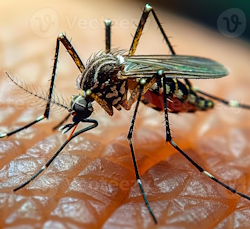
Mosquitoes collected as part of Whiteside County’s West Nile Surveillance Program have tested positive near Prophetstown, IL. for West Nile virus, according to Jennifer Kolb, Director of Environmental Health for the Whiteside County Health Department (WCHD.) A positive mosquito pool is significant, since Culex mosquitoes have a very short flight range of approximately ¼ mile. This confirms West Nile is in Whiteside County. It tells us for sure that there are infected mosquitoes around Prophetstown, putting residents at greater risk of exposure.
West Nile virus is transmitted through the bite of a mosquito that has picked up the virus, by feeding on an infected bird. Typically August and September is when WNV activity is at its highest. The threat of West Nile exposure can remain until the first frost. As we enter the Labor Day weekend, it is important for the public to continue their vigilance and take some simple precautions to reduce the number of mosquitoes around their home and to protect themselves from exposure.
Precautions include practicing the three R’s–reduce, repel, and report.
Reduce Exposure
• Avoid being outdoors when mosquitoes are most active, especially between dusk and dawn.
• Make sure doors and windows have tight-fitting screens and repair or replace any with tears or openings.
• Try to keep doors and windows shut, especially at night.
• Eliminate all sources of standing water where mosquitoes can breed, including flowerpots, wading pools, old tires, clogged rain gutters, old boats and any other receptacles, and change the water in bird baths weekly.
Repel
• Wear shoes and socks, long pants, and long-sleeved shirts when outdoors.
• Apply insect repellent that contains DEET, picaridin, oil of lemon eucalyptus, or IR 3535, according to label instructions when outdoors. Consult a physician before using repellents on infants.
Report
• Report dead birds to the Whiteside County Health Department.
• If your community has an organized mosquito control program, contact your Municipal Government about areas of stagnant water in roadside ditches, flooded yards, and similar locations that may produce mosquitoes.
Additional information about West Nile virus can be found by visiting
https://dph.illinois.gov/topics-services/diseases-and-conditions/west-nile-virus or www.cdc.gov/westnile.